Tractor Supply Carrollton MO: Your Partner in Sustainable Farming
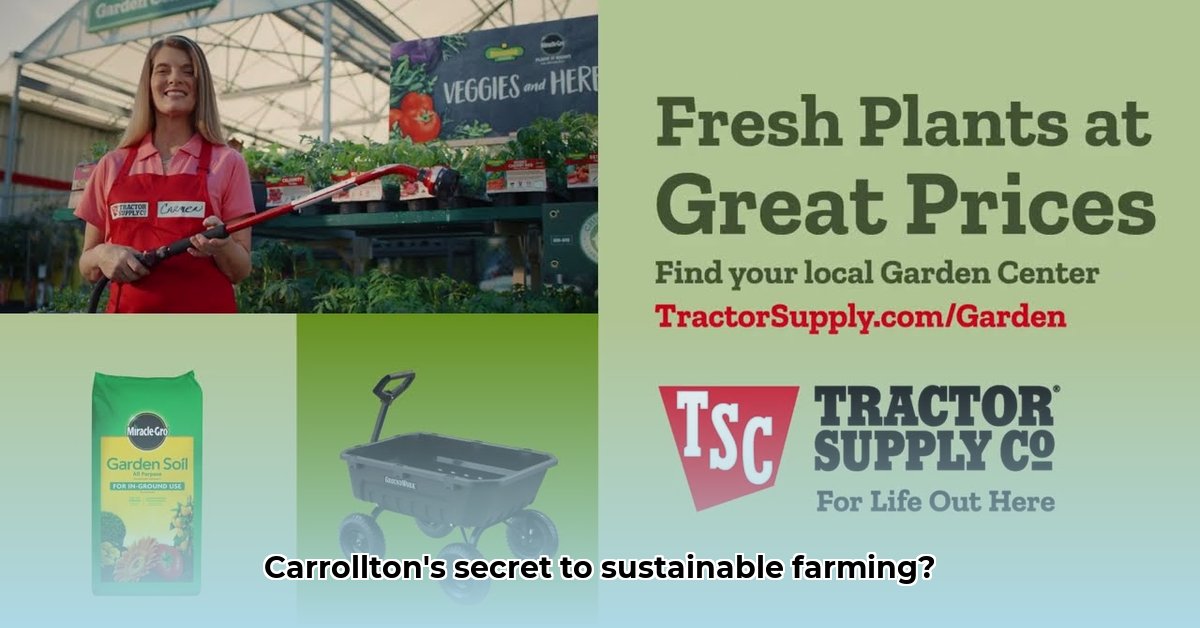
Tractor Supply (TSC) in Carrollton, Missouri, serves as more than just a farm supply store; it's a vital resource for the local agricultural community, significantly impacting sustainable farming practices, both directly and indirectly. This article explores how TSC contributes to environmentally friendly farming and provides actionable steps for farmers, consumers, and TSC itself to further enhance sustainability efforts. For more on sustainable fencing options, check out this helpful resource: Rabbit Fence Guide.
Tractor Supply's Product Portfolio and Accessibility: A Foundation for Sustainable Practices
A visit to the Carrollton TSC reveals a wide array of products, extending beyond tractors to encompass animal feed, farming equipment, gardening supplies, and clothing. The true value lies in the accessibility of these resources for farmers of all scales. Need organic seeds? TSC has them. Seeking efficient irrigation systems for water conservation? You'll find them here. This accessibility is a critical factor in making sustainable farming practical for everyone. The convenience factor alone reduces fuel consumption, travel time, and overall environmental impact.
Tractor Supply's Indirect Role in Sustainable Agriculture: The Ripple Effect of Accessibility
TSC's influence on sustainable agriculture extends beyond simply offering eco-friendly products. Its rural location ensures farmers avoid lengthy journeys for supplies, reducing fuel consumption and emissions. Readily available, high-quality livestock feed contributes directly to healthier animals, leading to increased productivity and reduced waste—benefits for both the farmer's bottom line and the environment. The convenience offered by TSC fosters efficiency and subsequently minimizes a farm's environmental footprint. Isn't convenient access to resources a cornerstone of sustainable practices?
The Gap: Explicit Sustainability Initiatives at Tractor Supply
While TSC indirectly supports sustainable agriculture through its product range and accessibility, a formal, clearly defined sustainability program is currently lacking. The absence of prominently displayed eco-friendly product lines and partnerships with organizations dedicated to sustainable farming presents an opportunity for growth. A public commitment to reducing the store's carbon footprint would solidify TSC's image as an environmental leader. These are areas where TSC can considerably enhance its positive contribution to a greener future. How can TSC better communicate its commitment to sustainability?
Actionable Steps for a Sustainable Future: A Collaborative Approach
The pathway to sustainable agriculture requires collaboration among TSC, farmers, and consumers. The following actionable steps lay out clear contributions for each stakeholder.
For Tractor Supply:
- Data-Driven Decisions: Analyze sales data to pinpoint the most in-demand sustainable products, guiding future inventory decisions.
- Customer-Centric Approach: Implement surveys and feedback mechanisms to understand customer preferences for eco-friendly options and their willingness to invest in sustainable products.
- Expand Sustainable Product Offerings: Develop and aggressively market dedicated lines of eco-friendly products with clear, concise labeling, simplifying consumer choices.
- Sustainable Supply Chain Optimization: Prioritize suppliers committed to environmentally friendly practices, starting with transportation and packaging, potentially utilizing local suppliers whenever possible.
For Farmers and Ranchers:
- Maximize Existing Resources: Explore innovative ways to utilize TSC products efficiently, optimizing resource use and minimizing waste.
- Adoption of Sustainable Practices: Research and implement strategies such as crop rotation, cover cropping, and reduced tillage to enhance soil health and reduce reliance on harmful chemicals.
- Active Advocacy: Provide feedback directly to TSC regarding desired sustainable products, ensuring the company responds to farmer needs.
For Consumers:
- Support Local Farms: Patronize local farms that utilize TSC products, directly supporting sustainable agricultural practices and local economies.
- Conscious Consumption: Carefully examine the environmental implications of your purchases, favoring products with eco-friendly packaging and sustainably sourced materials.
- Demand Transparency: Encourage TSC to enhance its sustainability initiatives through inquiries and expressions of support for transparency and environmental responsibility.
Conclusion: A Shared Responsibility for a Sustainable Future
Tractor Supply holds significant potential to become a more prominent partner in promoting sustainable agriculture. By implementing these initiatives, TSC, farmers, and consumers can work together to build a healthier, more environmentally responsible future for our agricultural communities. The question isn't if we can create a positive change, but rather how swiftly we can act. The future of our farming communities hinges on this collaborative effort. What immediate steps will you take to support sustainable farming practices?